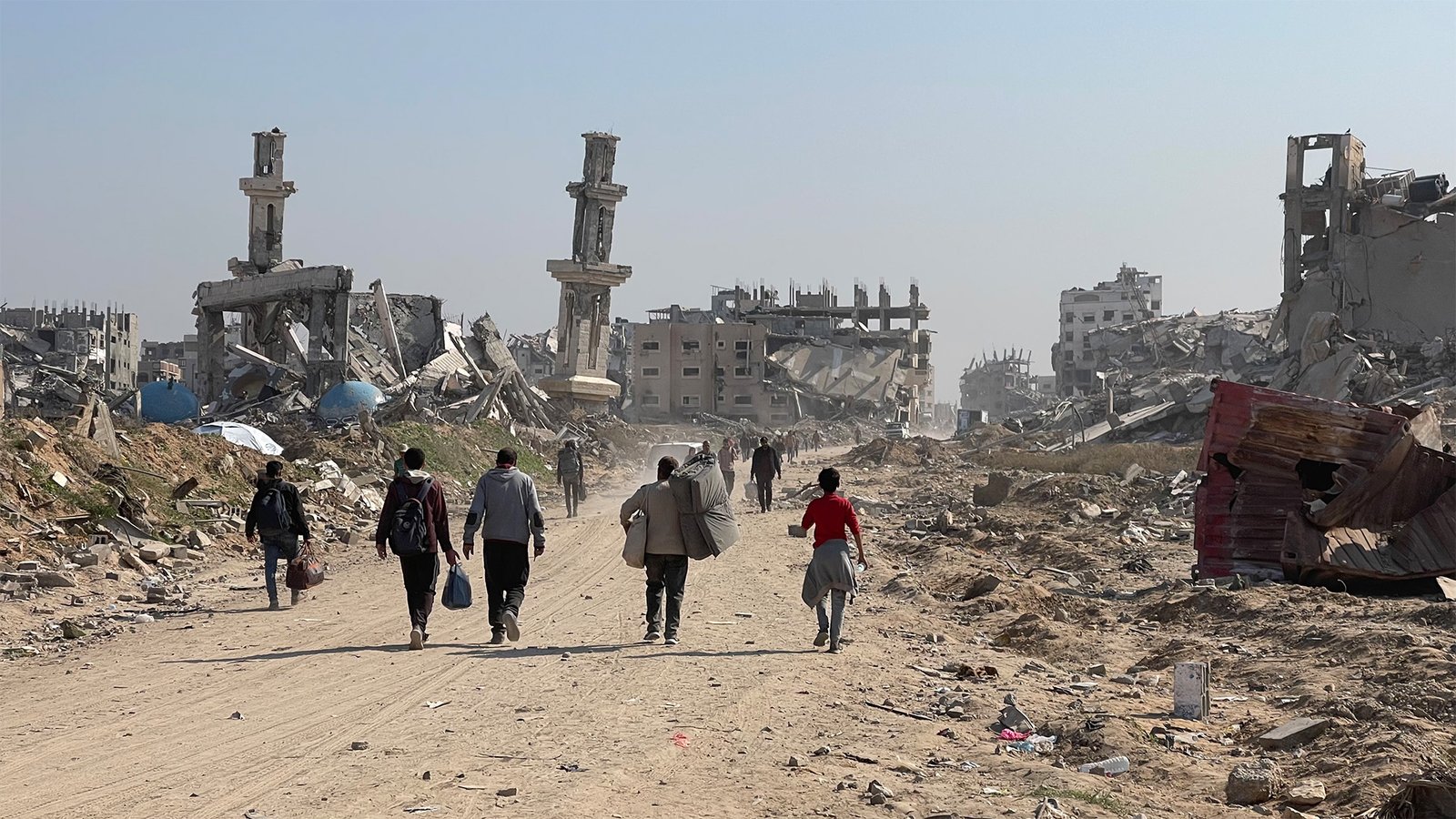
Executive Summary The humanitarian landscape in the Gaza Strip remains perilously fragile. Despite the initiation of the second phase of the ceasefire, the civilian population continues to endure catastrophic living conditions. International aid efforts, while persistent, are currently insufficient to bridge the widening gap between the limited supplies entering the enclave and the exponential rise in civilian needs.
Operational Context & Security The situation on the ground is characterized by extreme volatility. Reports confirm that despite the truce, sporadic violations continue to jeopardize the safety of non-combatants and hinder the operational capacity of humanitarian convoys. The volume of aid currently permitted to enter does not meet the minimum survival threshold for a population that has been exhausted by prolonged conflict.
Key Humanitarian Concerns According to recent data from United Nations agencies, the crisis has reached a critical tipping point:
Populations at Risk: Over 1.5 million people are currently living on the brink of survival, facing acute food insecurity and a total collapse of socioeconomic stability.
Essential Services: The degradation of infrastructure has led to a severe scarcity of potable water and sanitation services, significantly increasing the risk of waterborne diseases.
Healthcare Collapse: The health sector remains under immense pressure, with critical shortages of medical supplies, trauma kits, and fuel needed to power life-saving equipment.
Diplomatic Warnings Diplomatic stakeholders, including the Ministry of Foreign Affairs of Qatar, have issued stark warnings regarding the trajectory of the crisis. They emphasize that the conflict is far from resolved and that the current pause in fighting has not yet translated into the necessary relief for the population. There is a consensus among mediators that without immediate, tangible measures to guarantee unimpeded aid access, the humanitarian fallout will be irreversible.
Urgent Call for Intervention In light of these developments, international humanitarian organizations are calling for an immediate scaling up of the emergency response. It is imperative to:
Expand Humanitarian Corridors: To allow for the safe, unconditional, and continuous flow of food, medicine, and fuel.
Protect Civilian Infrastructure: Ensuring that water networks and hospitals are shielded from the impacts of the conflict.
Accelerate Funding: To support the urgent procurement of relief items for the millions trapped in the conflict zone.
The window to prevent a total humanitarian catastrophe is closing. Immediate action is required to alleviate the suffering of civilians who continue to bear the brunt of this protracted crisis.