

Executive Summary: The World’s Largest Displacement Crisis Recent monitoring reports indicate that the conflict in Sudan has spiraled into one of the most severe and rapidly deteriorating humanitarian emergencies globally. The scale of the devastation has surpassed critical thresholds, triggering a massive collapse in essential services and leaving millions without a lifeline.
Staggering Displacement Figures The magnitude of human displacement in Sudan is unprecedented. According to the latest data:
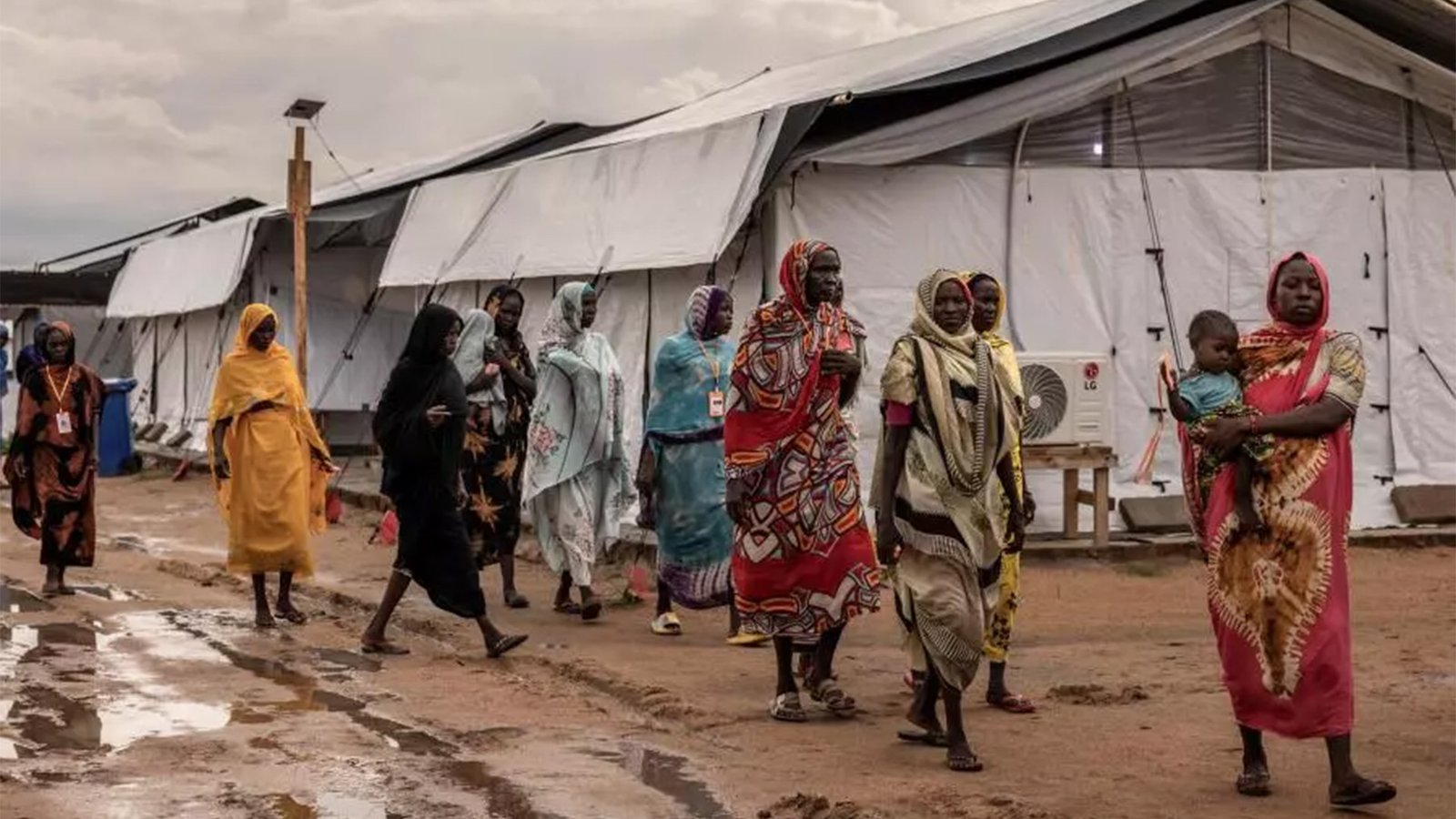
Mass Exodus: Over 14.5 million people have been forcibly displaced from their homes. This includes millions of Internally Displaced Persons (IDPs) seeking safety in overcrowded camps and makeshift shelters, as well as refugees crossing borders into neighboring countries.
Protection Crisis: Fleeing civilians continue to face extreme risks, including targeted violence, lack of shelter, and a complete absence of legal protection.
** Looming Famine and Systemic Collapse** The humanitarian fallout extends beyond displacement to a life-threatening scarcity of resources:
Food Insecurity: The specter of famine is now a reality for approximately 8 million people. With the collapse of agricultural production and supply chains, millions are facing acute hunger and malnutrition levels that demand immediate intervention.
Infrastructure Breakdown: Critical infrastructure, including hospitals, water sanitation systems, and power grids, has been decimated in key conflict zones. This has led to a near-total blackout of health services and clean water access.
Operational Challenges & Humanitarian Access Despite the escalating needs, the delivery of aid remains perilous. Humanitarian operations are severely hampered by:
Security Threats: Aid convoys and humanitarian personnel face constant risks of attack and looting, restricting access to the most vulnerable communities.
Logistical Barriers: The destruction of roads and communication networks further complicates the distribution of life-saving supplies.
Urgent Appeal for International Solidarity Experts warn that the window to avert a generational tragedy is closing. The international community is urgently called upon to:
Scale Up Funding: Immediate financial mobilization is required to bridge the widening gap in the humanitarian response plan.
Guarantee Access: Diplomatic pressure must be exerted to ensure safe, unimpeded corridors for relief convoys.
Protect the Vulnerable: Specialized support must be directed toward the most at-risk groups, specifically women, children, and the elderly, who bear the heaviest burden of this conflict.
Sudan cannot be a forgotten crisis. The cost of inaction is measured in millions of lives.
According to Gaza’s Ministry of Health, over 70% of hospitals and medical centers are now partially or completely out of service. This endangers the lives of thousands, including patients with chronic illnesses, cancer patients, and newborns in neonatal care units.
Dialysis, intensive care, and life-saving surgeries have been suspended in many hospitals due to the lack of fuel to operate generators, leaving patients without crucial medical support.
Pharmacists report that more than 200 essential medicines—including antibiotics, heart medications, and chemotherapy drugs—are no longer available. Meanwhile, hospitals are overwhelmed, with patients crowded into hallways awaiting treatment or evacuation.
The collapse of water and sanitation systems has also led to outbreaks of skin infections, diarrhea, and other diseases, adding pressure on already paralyzed healthcare centers.
Despite these extreme conditions, Palestinian medical teams continue to serve their communities with unwavering dedication, working long hours with minimal supplies, often risking their lives.
Healthcare workers and international agencies are calling for immediate humanitarian corridors to deliver fuel, medicine, and equipment, and are demanding an end to the targeting of medical facilities, which are protected under international humanitarian law.