The Silent Crisis: Gaza’s Elderly Population at Breaking Point
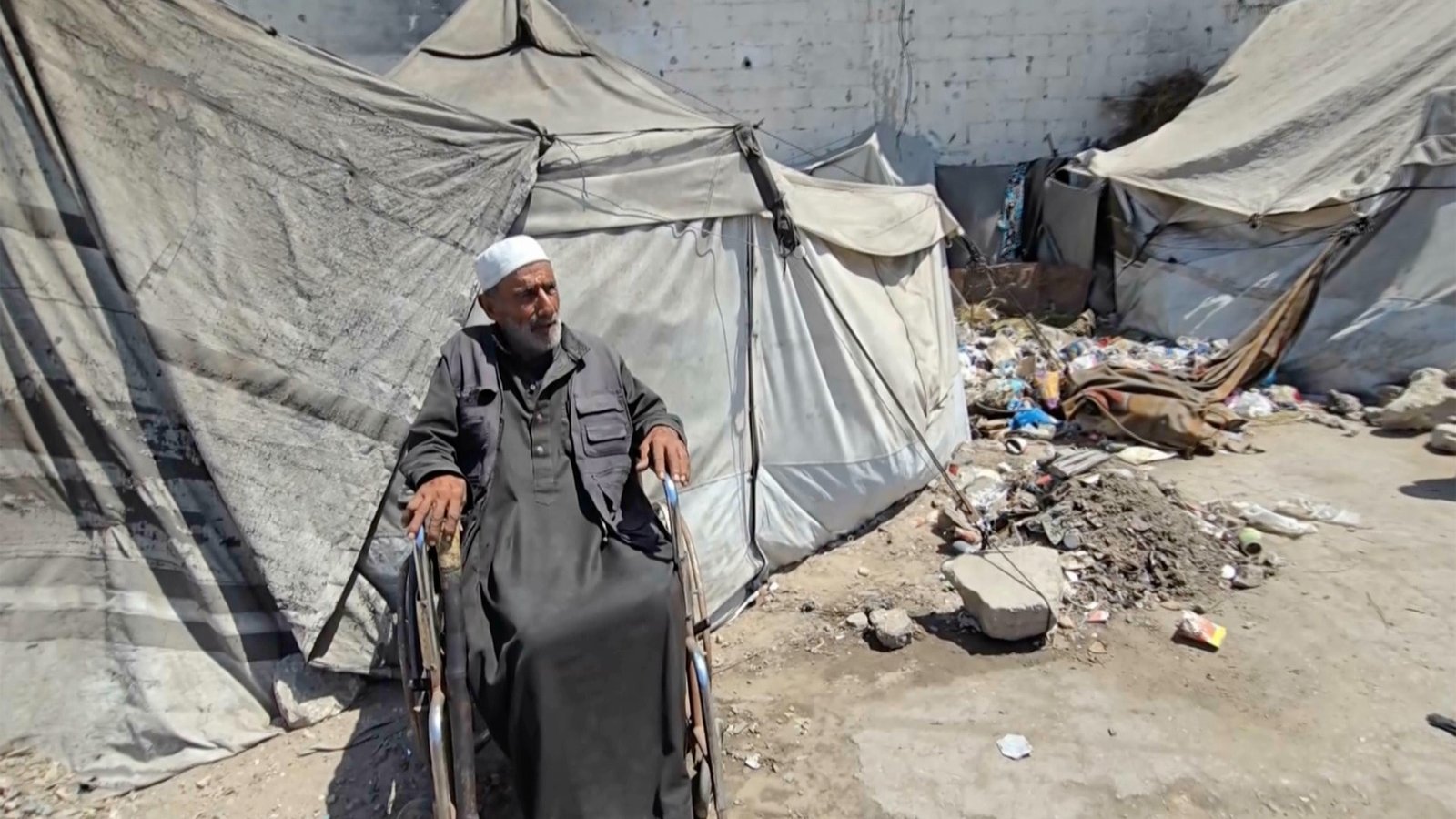
Situation Overview Amid the escalating humanitarian catastrophe in the Gaza Strip, a deeply concerning and often overlooked crisis is unfolding: the severe neglect of the elderly population. Recent field reports indicate that older persons are facing disproportionate suffering as the conflict intensifies, with their specific needs frequently sidelined in the chaos of emergency response efforts.
Displacement and Loss of Support Systems The relentless cycle of displacement has shattered the social fabric that typically protects the elderly. Many older adults have been separated from their families and primary caregivers, leaving them isolated and unable to access basic necessities.
Mobility Constraints: Unlike younger populations, many elderly individuals cannot flee conflict zones easily, leaving them trapped in high-risk areas without support.
Psychological Toll: The trauma of displacement, compounded by the loss of home and community, has led to a sharp rise in psychological distress among this demographic.
Health Crisis and Chronic Disease Management The collapse of the healthcare infrastructure has hit the elderly the hardest. A significant percentage of Gaza’s older population suffers from chronic conditions—such as diabetes, hypertension, and cardiovascular diseases—that require consistent medication and monitoring.
Supply Chain Failure: With the blockade impeding the entry of essential pharmaceuticals, many are facing life-threatening complications due to the unavailability of daily medications.
Lack of Specialized Care: Emergency medical responses often prioritize trauma cases, leaving geriatric care and chronic disease management with minimal resources.
The “Invisible” Vulnerability Humanitarian assessments reveal a troubling gap in aid distribution. Despite their high dependency on external assistance, older persons often face physical and systemic barriers to accessing food distribution points and health centers. They are, in effect, becoming “invisible” to the aid machinery.
Urgent Call for Inclusive Humanitarian Action International humanitarian organizations have classified this situation as an “Acute Emergency within an Emergency.” Immediate intervention is required to:
Prioritize Geriatric Care: Establish mobile clinics specifically designed to reach immobile elderly patients.
Secure Supply Lines: Guarantee the consistent delivery of chronic disease medications alongside trauma supplies.
Ensure Inclusive Access: Adapt aid distribution mechanisms to ensure that the elderly, particularly those without family support, receive food, water, and hygiene kits directly.
Addressing the specific needs of Gaza’s elderly is not just a medical necessity; it is a fundamental imperative of human rights and dignity in times of conflict.