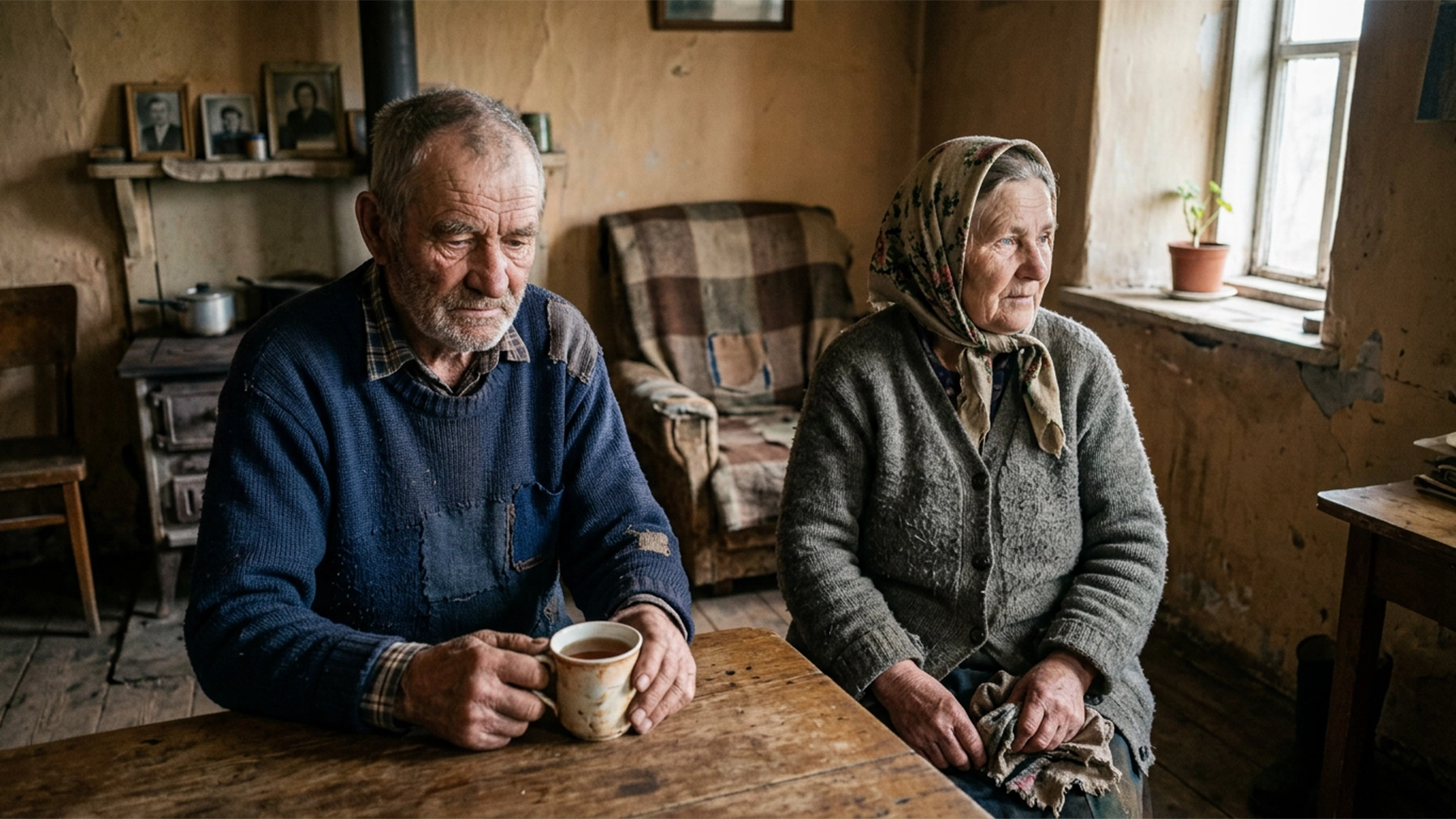
Amid the growing humanitarian crises around the world, the suffering of elderly people has become one of the most pressing and often overlooked issues. Many are living under harsh conditions shaped by poverty, chronic illness, and social isolation—especially in regions affected by conflict and economic instability.
Recent humanitarian insights indicate that thousands of elderly individuals are living without stable sources of income or adequate support to meet their basic needs. With the rising cost of living and limited access to resources, many struggle daily to secure food, essential medicine, and proper healthcare.
The situation is even more critical for those living alone or separated from their families due to displacement, conflict, or economic hardship. In such circumstances, access to humanitarian assistance becomes vital to preserving both their health and dignity.
Families caring for elderly relatives are also under increasing pressure, often forced to stretch limited resources across multiple needs. As a result, elderly individuals frequently receive less attention despite their significant vulnerability.
Humanitarian organizations continue to emphasize the urgent need to expand support for elderly populations through food assistance, healthcare services, and direct cash aid—ensuring they can meet their essential needs and live with dignity.
Supporting elderly people is not only about meeting immediate needs; it is a reflection of shared human values—compassion, solidarity, and respect. Every act of support helps ease their suffering and restores a sense of security and care.
Despite ongoing challenges, hope remains through the collective efforts of donors and humanitarian workers who strive to reach the most vulnerable. Among them are elderly individuals who deserve special attention, protection, and continuous care.
Providing support to this group is an investment in human dignity—and a reminder that no one should be forgotten.