Empowering Futures: Comprehensive Education and Livelihood Support
Program Overview Education is a fundamental human right and a critical protective mechanism for children and youth affected by poverty, conflict, and displacement. Our organization implements a holistic Education and Livelihood Empowerment program designed not only to facilitate access to learning but also to build long-term resilience and self-reliance within marginalized communities.
Pillar 1: Eliminating Barriers to Access Economic hardship often forces families to prioritize basic survival over education. To counteract this, our intervention removes the immediate financial burdens associated with schooling:
Scholastic Materials: We distribute comprehensive “Back-to-School Kits”—including culturally appropriate school bags and essential stationery—at the dawn of each academic term, ensuring students are equipped to learn.
Safe Transit Initiatives: For impoverished students facing geographical barriers, we provide secure daily transportation, drastically reducing absenteeism and protecting children from the risks of unsafe commutes.
Pillar 2: Academic Retention and Catch-Up Support Access to the classroom is only the first step; keeping students engaged is equally critical.
Remedial Education: We offer targeted academic support and catch-up classes for students struggling with learning gaps, ensuring no child is left behind.
Tackling Dropout Rates: In close collaboration with parents and community leaders, we actively identify and reintegrate Out-of-School Children (OOSC) whose education was derailed by economic crises, reinforcing the importance of sustained learning.
Pillar 3: Education in Emergencies (EiE) In active conflict zones and disaster-stricken areas, the formal education infrastructure is often decimated.
Temporary Learning Spaces (TLS): We rapidly deploy fully equipped educational tents, establishing secure and child-friendly environments that allow the educational process to continue uninterrupted, providing a sense of normalcy and psychological safety amidst the chaos.
Pillar 4: Vocational Training & Economic Inclusion Recognizing that formal education is not the only pathway to success, we extend our support to youth and adults who have missed out on traditional schooling.
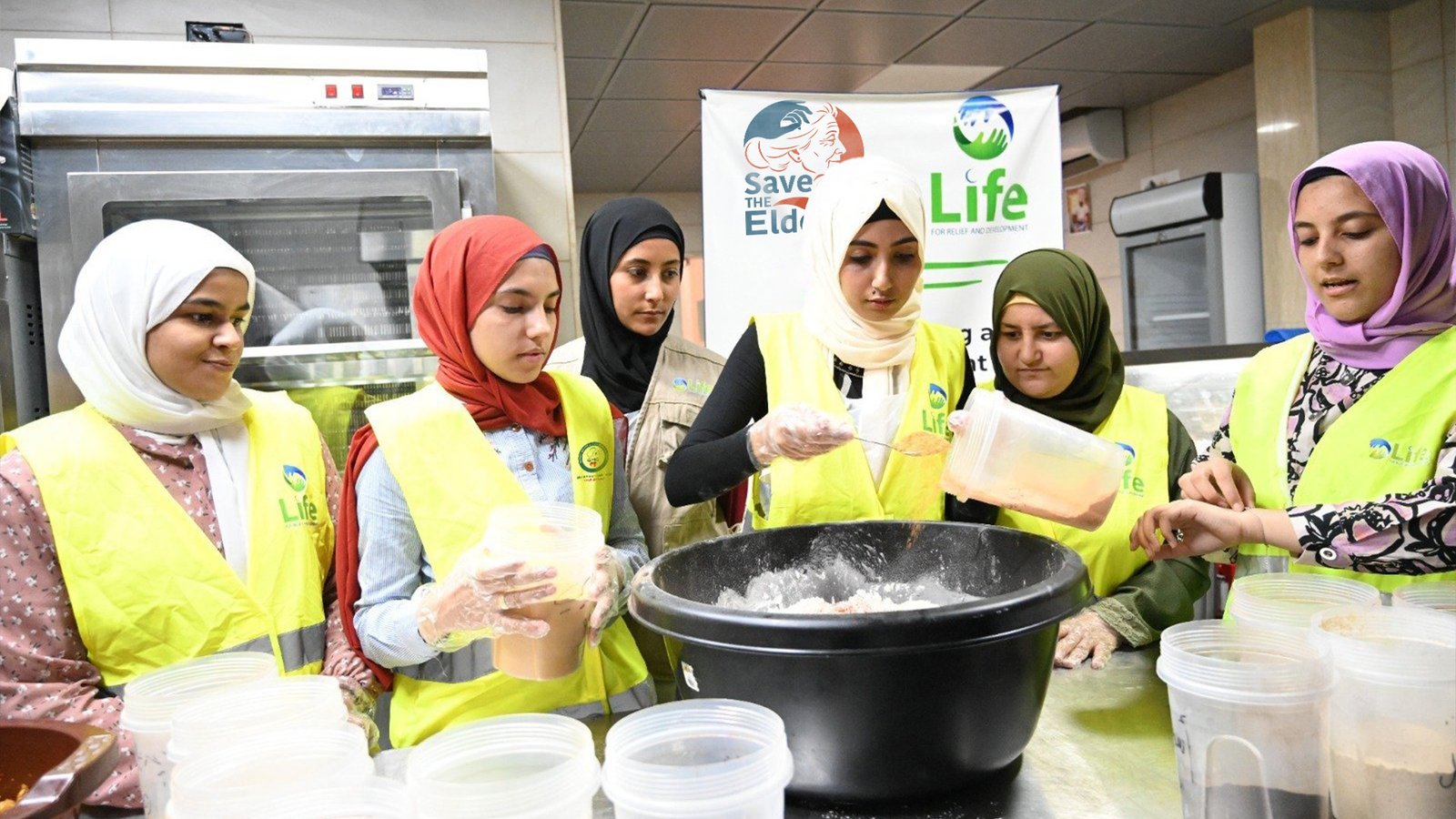
Skill Development: We organize targeted vocational and technical training workshops tailored to local market demands.
Dignified Integration: By equipping individuals with practical, income-generating skills, we empower them to secure decent employment, break the cycle of poverty, and become active, contributing members of their communities.
Through these integrated efforts, we are not just teaching; we are safeguarding the future of an entire generation.