Emergency Food Security Response: A Lifeline for Gaza & Lebanon
Program Overview In response to the escalating humanitarian crisis across the region, our organization has successfully executed a critical food security intervention targeting the most vulnerable populations in the Gaza Strip and Lebanon. This project was designed to address acute hunger and malnutrition within displacement camps, where access to basic nutritional needs has been severely compromised due to conflict and economic instability.
Operational Context: A Dual Crisis
Gaza Strip: With the ongoing blockade and conflict, families in displacement centers are facing catastrophic levels of food insecurity. Markets are empty, and prices have skyrocketed, leaving thousands without daily sustenance.
Lebanon: The compounding economic collapse and refugee crisis have pushed marginalized communities to the brink. In informal tented settlements, families struggle to secure even one meal a day.
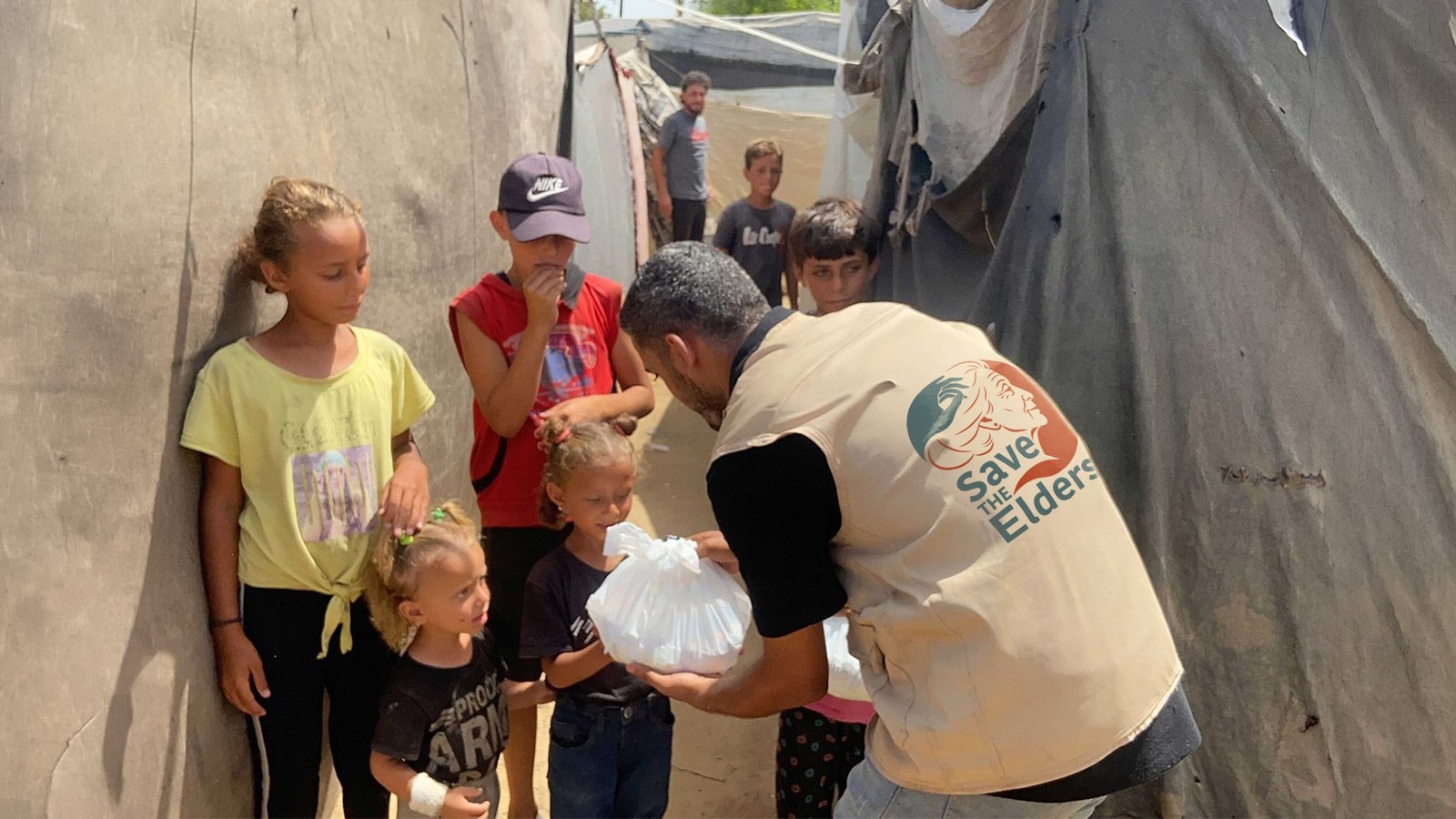
Intervention Strategy: Nutritional Support Our field teams mobilized to distribute comprehensive food parcels designed to sustain a family for an extended period. These parcels were carefully curated to include:
Essential Staples: High-nutrient items such as rice, lentils, flour, cooking oil, and canned goods.
Culturally Appropriate Aid: Ensuring the food items meet local dietary habits and dignity standards.
Impact & Reach This initiative has provided a vital safety net for over 1,500 households (benefiting approximately 7,500 individuals). By delivering this aid directly to the hardest-to-reach areas, the project has achieved immediate results:
Alleviating Hunger: providing immediate caloric intake to prevent malnutrition among children and the elderly.
Economic Relief: Reducing the financial burden on displaced families, allowing them to allocate their scarce resources to other critical needs like medicine or shelter.
Restoring Dignity: Ensuring that families do not have to resort to negative coping mechanisms to survive.
Conclusion While this distribution marks a significant achievement, the need remains immense. This project serves as a testament to our commitment to standing with the displaced, ensuring that food—a fundamental human right—reaches those who need it most.
To date, more than 5,000 individuals—including displaced persons and kidney patients—have benefited from these projects, effectively contributing to improved public health and the prevention of waterborne diseases.